Recovery is a journey filled with ups and downs, and understanding relapse prevention strategies is crucial for anyone in recovery. In Venice, CA, a vibrant and sometimes challenging environment, being equipped with the right tools and support can make all the difference. This guide will address the stages of relapse, common triggers, and how to create a solid personal relapse prevention plan, all while utilizing the resources available within the Venice recovery community.
재발의 단계 이해하기
Relapse is often viewed as a single event, but it typically occurs in three stages: emotional, mental, and physical. Recognizing these stages can help you intervene before a full relapse occurs.
Emotional Relapse
In this initial stage, you may not be thinking about using substances, but your emotions and behaviors are setting the stage for potential relapse. Signs of emotional relapse include:
- Increased anxiety or depression
- Isolation from loved ones
- Neglecting self-care routines
Mental Relapse
This stage involves thoughts about using and may include:
- Romanticizing past substance use experiences
- Planning to use again
- Justifying reasons for using
Physical Relapse
This stage is when you actually return to using substances. It's crucial to recognize the signs of the first two stages to prevent this from happening.
Common Triggers in the Venice Environment
Venice, with its beautiful beaches and vibrant nightlife, can present unique challenges for those in recovery. Common triggers include:
- Parties and social gatherings where substance use is prevalent
- Proximity to places associated with past use
- Stressful situations or emotional distress
Creating a Personal Relapse Prevention Plan
A personalized relapse prevention plan is essential. Consider the following steps when creating yours:
- 유발 요인 파악: List your personal triggers and circumstances that may lead to cravings.
- 대처 전략을 개발하세요: Create a toolkit of coping mechanisms for when you feel triggered.
- Set Clear Goals: Define your recovery goals and the steps needed to achieve them.
The HALT Acronym
The HALT acronym can serve as a quick reminder of the emotional states to be aware of that may lead to relapse:
- Hunger: Ensure you are eating well-balanced meals to maintain energy and mood.
- Anger: Address anger constructively. Talk it out rather than bottling it up.
- Loneliness: 고립감을 느낄 때는 친구나 지원 단체에 도움을 요청하세요.
- Tiredness: Prioritize adequate rest and self-care to prevent burnout.
Building a Support Network
A robust support network is crucial in recovery. Surround yourself with positive influences, including:
- Family and friends who support your recovery journey
- Recovery groups and fellow individuals in recovery
- Health professionals, such as therapists and counselors
Utilizing Venice Recovery Community Resources
Venice offers a variety of resources to assist in your recovery journey:
- 지역 지원 그룹: Attend meetings of organizations like Alcoholics Anonymous (AA) or Narcotics Anonymous (NA).
- Therapy and Counseling: Seek professionals specializing in addiction recovery.
- 커뮤니티 센터: Many local centers offer workshops and resources tailored to individuals in recovery.
What to Do If You Slip
Experiencing a slip can feel discouraging, but it’s important to remember that setbacks are part of the recovery process. Here’s what you can do:
- Assess the Situation: Reflect on what led to the slip and identify any triggers.
- 연락 주세요: Immediately contact your support network to discuss your feelings and seek guidance.
- 계획을 다시 검토하세요: Evaluate and adjust your relapse prevention plan as necessary.
Coping with Cravings
Cravings are a normal part of recovery. Here are some techniques to help manage them:
- Distract Yourself: Engage in activities you enjoy, such as exercise, art, or hobbies.
- Practice Deep Breathing: Use deep breathing exercises to calm your mind and body.
- Stay Busy: Fill your schedule with positive and fulfilling activities.
Mindfulness and Stress Reduction Techniques
Incorporating mindfulness and stress reduction techniques can greatly enhance your recovery efforts:
- 심사 숙고: Spend a few minutes each day practicing mindfulness meditation to ground yourself.
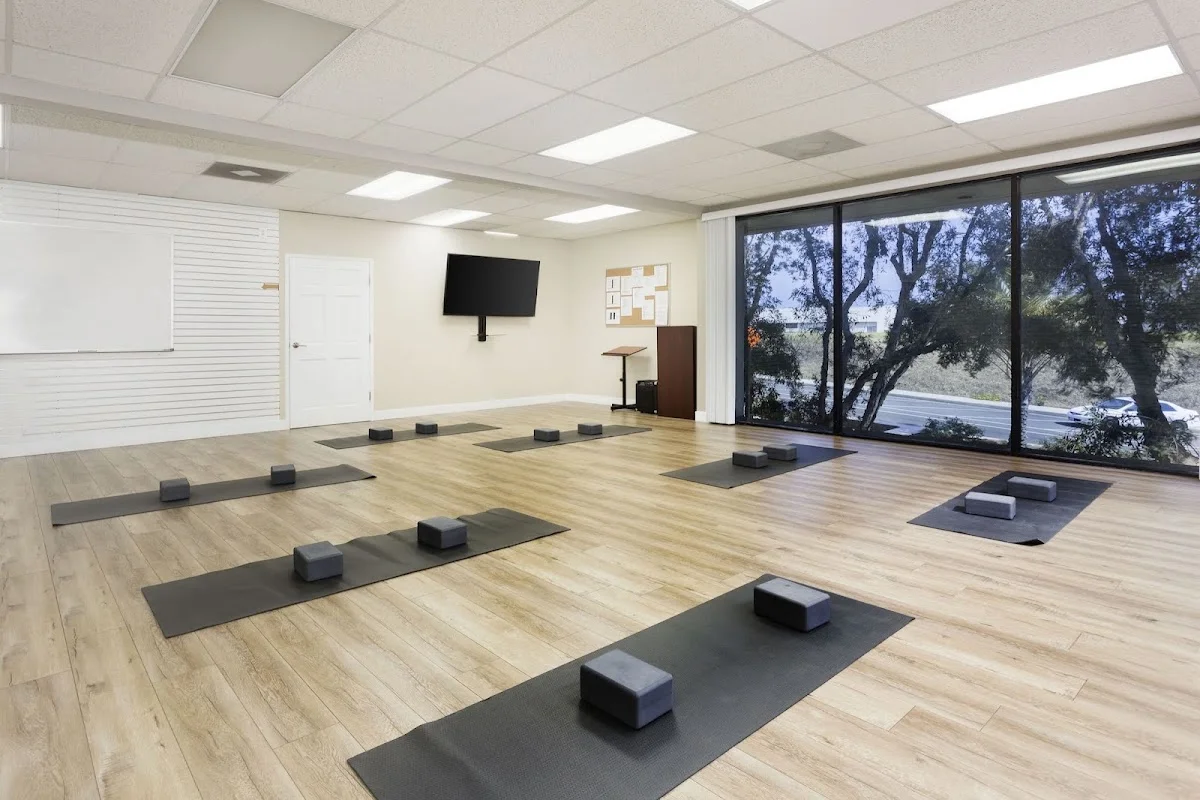
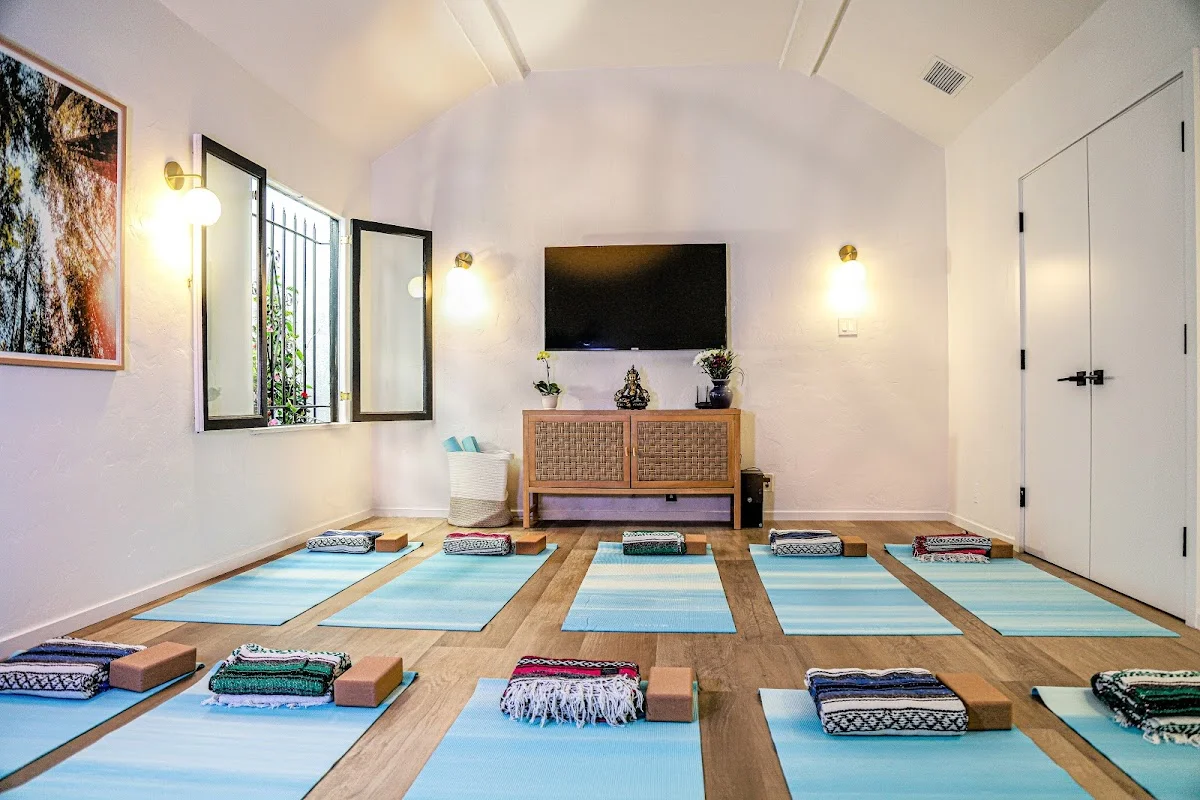
- Yoga: Consider joining a yoga class to improve both mental and physical well-being.
- Nature Walks: Take advantage of Venice’s beautiful scenery by going for walks to clear your mind.
By understanding the stages of relapse, identifying triggers, and utilizing community resources, you can create a solid foundation for your recovery journey in Venice, CA. Remember, recovery is a process, and with the right strategies and support, you can navigate this path successfully.
베니스에서 더 많은 회복 지원 정보를 찾아보세요
Sober Network is a directory, not an intake form. Explore local facilities and contact providers directly.